





Dr Vanessa Pozzali

A lake framed by woodland and the branches of a tree

Counselling psychologist & psychotherapist

One-to-one psychotherapy, group therapy and clinical supervision for individuals and professionals.

Dr Vanessa Pozzali smiling outdoors in a green woodland setting

A little about Vanessa

Sometimes we know what hurts. Understanding why takes longer.

People often come to therapy because they feel caught in patterns they can recognise, but cannot seem to change. My work focuses on what may sit beneath those patterns: the emotional meanings, relationships, losses and experiences that continue to shape the present.

My approach is psychodynamic, relational and group-analytic, with particular attention to culture, belonging, identity and life transitions. Therapy offers a space to understand what has been difficult to name, and to discover more flexible and authentic ways of relating to yourself and to others.

HCPC registered HCPC registered
practitioner psychologist
BACP registered member, 386231, MBACP

Also registered with OPPV as a psychologist and psychotherapist.

I am also co-founder of Synthosys, where I work with leaders and teams on culture, relationships and group dynamics.

Explore my work at Synthosys

How I can help

Three ways to work together.

Each offers a different kind of space to think, feel and understand what matters.

An open pink flower hanging beneath dark green leaves
01

One-to-one therapy

A space to understand what keeps repeating.

You may know that something is not working, without yet knowing exactly why. You may find yourself repeating the same patterns in relationships, struggling with loss or change, or feeling overwhelmed, disconnected or stuck.

In our work together, we look beyond the immediate difficulty to understand what may be happening underneath it. I pay attention to relationships, past and present experiences, emotional patterns and the wider cultural context in which your story has developed.

Therapy is not about giving you ready-made answers. It is a space to make sense of your experience, recognise what may be keeping you stuck and discover different ways of relating to yourself and to others.

You may be seeking support withAnxiety · Low mood · Relationships · Trauma · Grief and loss · Identity · Life transitions · Cultural adjustment · Repeating patterns

Red flowers in bloom with a bee visiting one of the flowers
02

Group therapy

Understanding yourself through what happens between us.

Some patterns are difficult to see alone because they emerge most clearly in relationships. Group therapy offers a space to notice how you connect, withdraw, protect yourself, seek closeness, respond to difference or take up space with others.

As relationships develop within the group, familiar patterns can begin to appear in the here and now. Together, we can explore them with curiosity rather than judgement, creating opportunities to understand yourself and others in new ways.

My group work is informed by group analysis and psychodynamic thinking. It can support greater self-awareness, confidence in relationships and more flexible ways of relating to others.

You may want to exploreRelationships · Belonging · Trust · Conflict · Boundaries · Identity · Loneliness · Communication · Recurring patterns

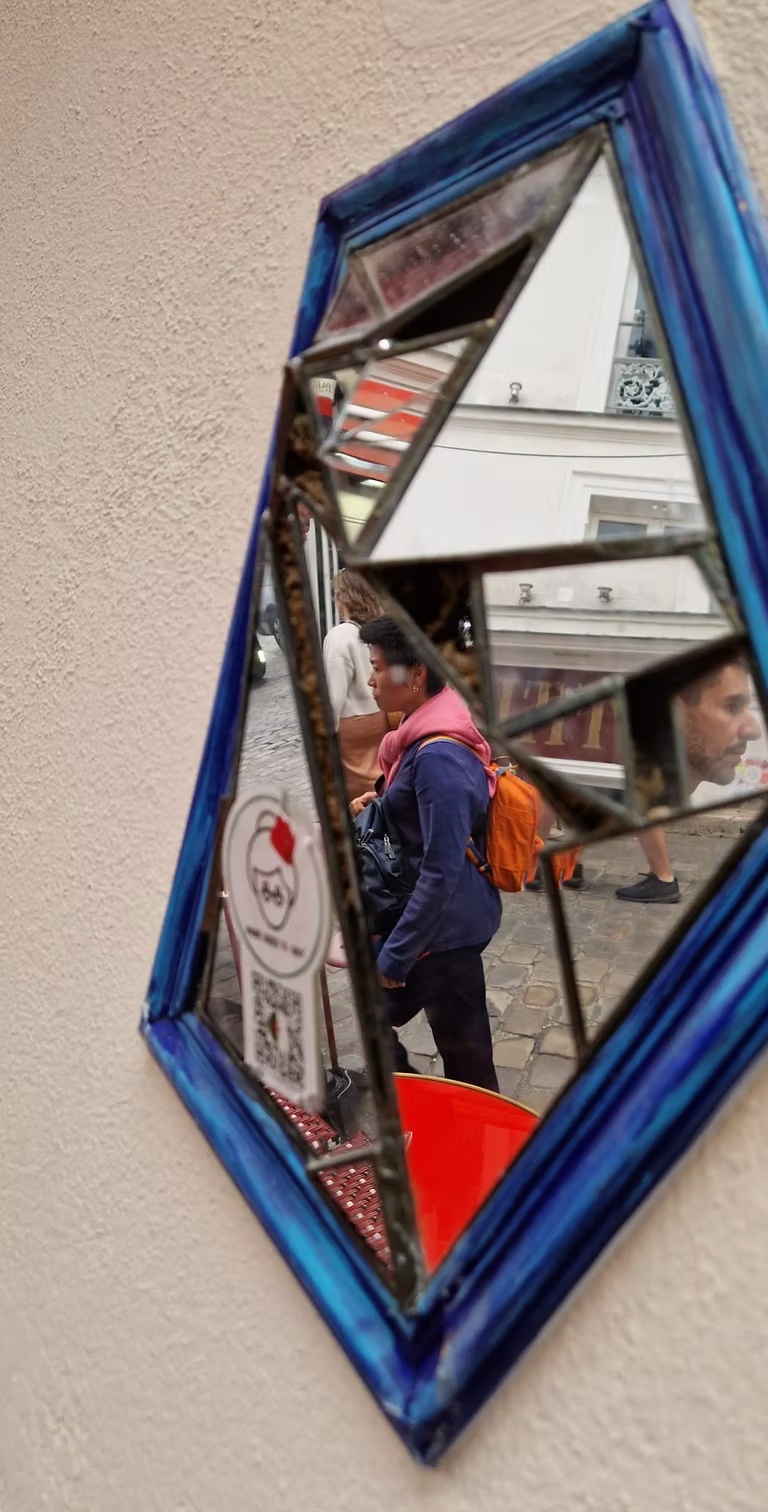
An angular blue mirror reflecting different perspectives of a street scene
03

Clinical supervision

A reflective space to think about the work, and what may be happening beneath it.

Clinical work can bring complexity, uncertainty and strong emotional responses. Supervision offers space to think beyond technique and explore what may be happening within the therapeutic relationship, within ourselves as practitioners and within the wider context of the work.

My supervisory approach is psychodynamic and relational, informed by group analysis and an attention to cultural and systemic dynamics. Together, we can reflect on clinical material, therapeutic relationships, countertransference and the patterns that may emerge around challenging or complex work.

I see supervision as a collaborative space for curiosity, reflection and professional development, supporting you to deepen your own clinical thinking rather than simply providing answers.

We may exploreTherapeutic relationships · Transference and countertransference · Complex clinical dynamics · Boundaries · Cultural context · Group dynamics · Professional identity · Ethical dilemmas · The emotional impact of clinical work

My approach

Understanding the person, not just the problem.

I do not see psychological difficulties in isolation. How we feel and relate to others is shaped by our experiences, relationships, culture and the wider contexts we belong to.

01

Psychodynamic

Exploring the emotional meanings, past experiences and unconscious patterns that may continue to influence the present.

02

Relational

Paying attention to how you experience yourself in relation to others, including patterns that may emerge within the therapeutic relationship.

03

Group-analytic

Understanding the individual as part of wider networks: family, relationships, groups, communities and social systems.

04

Cultural

Making space for identity, belonging, migration, language and cultural transitions, and how these can shape our inner and relational worlds.

My aim is to create enough space and curiosity to understand what may be happening beneath the surface, and what new possibilities can emerge.

Experiences of working together

In their words.

“Vanessa's non-judgemental and calming approach helped me to open up in a way I never thought would be possible. She helped me develop healthier ways to reflect on and understand myself, giving me a sense of inner peace and clarity I had never experienced before. I'm incredibly grateful for our work together and cannot recommend her enough.”
One-to-one therapy client
“Vanessa's empathy, professionalism and insightful guidance have profoundly helped my mental health and wellbeing. During my time with her, I gained valuable coping strategies and a renewed sense of clarity and confidence in myself. I highly recommend her to anyone in need of compassionate and effective therapy.”
Microsoft employee

A first conversation can be a good place to start.

If you are considering therapy, group work or clinical supervision, an initial conversation can help us understand what you are looking for and whether my approach may be suitable for you.